


Jhandi Munda on Spin Crush
Jhandi Munda is a traditional dice game where each player stakes on a symbol, the dice are rolled, and the symbol that appears most often across the roll determines the winner. There is no player input during the roll itself, only the initial choice of which symbol to back. With Jhandi Munda on Spin Crush, the game follows this same symbol-counting format in a digital interface.
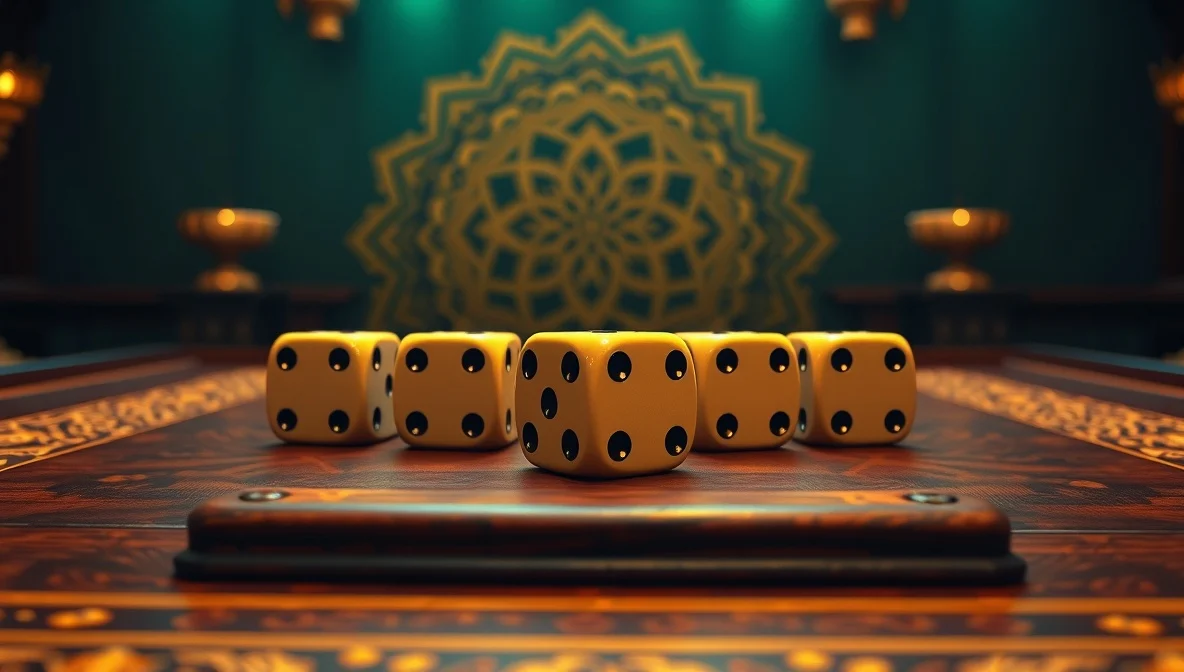
What Is Jhandi Munda?
Jhandi Munda is a traditional Indian dice game built around a simple premise: place a stake on a symbol, roll the dice, and see if your symbol appears the most. It is played with a set of dice, each marked with distinct symbols, and the round ends once all dice have been rolled and the results counted.
The game has no complex hands, card values, or sequential decisions. It is one of the more straightforward chance-based games, which makes it easy to learn but also means the outcome depends entirely on randomness. Understanding the dice, the symbols, and how matching works is enough to follow any round.
How Jhandi Munda Works
Every Jhandi Munda round follows the same basic sequence: placing stakes, rolling the dice, counting matching symbols, and settling the result.
Placing stakes
Players select a stake and choose a symbol to bet on before the dice are rolled. Once betting closes, no changes can be made for that round. The stake and chosen symbol are locked in for the upcoming roll.
Rolling the dice
The dice are rolled together or one after another, depending on the version. Each die lands on one of its symbols, producing a set of results that are visible to all players. In digital versions, the roll is animated, but the outcome concept remains the same: a random set of symbols.
Counting matches
After the roll, the game counts how many times each symbol appears. The symbol with the highest count is the winning outcome for that round. If two or more symbols tie for the highest count, the round is settled according to the specific game rules.
Settlement
Players who bet on the winning symbol receive a payout based on their stake and the game's rules. Players who chose a different symbol lose their stake for that round. The next round then begins with a fresh betting phase.
The Six Dice and Symbols
Jhandi Munda uses a set of dice, each marked with a unique symbol. The symbols are the core of the game, because they are what players bet on and what determines the winner after each roll.
How the dice are designed
Each die displays one symbol on each face. In traditional versions, the symbols often include simple, recognizable motifs such as a crown, flower, sword, coin, pot, or flag. The exact set of symbols can vary slightly by region or version, but the principle is consistent: every die has the same set of symbols, and each face shows one of them.
Why symbols matter
The symbols are the only thing that matters during a round. Players do not bet on numbers or combinations; they bet on which symbol will appear most often. This makes the game easy to follow, because the connection between your choice and the outcome is direct and visible.
Reading the results
Once the dice have landed, the results are counted by symbol. If you bet on a symbol that appears three times, and no other symbol appears more than twice, your bet wins. If another symbol also appears three times, the round may be settled differently depending on the rules. The interface usually shows the count clearly so there is no confusion about the result.
How a Jhandi Munda Round Plays Out
A typical round moves through four clear stages. Because there are no player decisions during the roll itself, the pace is fast and the outcome is revealed quickly.
1. Betting phase
Players choose a symbol and confirm their stake. The betting interface usually shows all available symbols so you can select the one you want. Once the phase closes, bets are locked and cannot be changed.
2. The roll
The dice are rolled. In physical versions, this is done by hand or in a shaker. In digital versions, the roll is generated randomly. The dice land on their respective symbols, producing the round's results.
3. Counting and comparison
The game tallies how many times each symbol appears. The symbol with the highest frequency is identified as the winner. If there is a tie, the game applies its tie-breaking rule, which may involve the highest-value symbol or a separate settlement method.
4. Settlement
Winning bets are paid out, and losing bets are collected. The round then resets, and a new betting phase opens for the next roll. Because there is no deck to shuffle or cards to deal, the next round can begin almost immediately.
Matching Symbols and Outcomes
The outcome of a Jhandi Munda round depends entirely on how many times each symbol appears after the roll. There is no partial matching or combination-based scoring; it is a simple frequency count.
Single-symbol dominance
If one symbol appears more times than any other, that symbol wins outright. For example, if the crown appears three times, the flower appears twice, and the rest appear once, the crown is the winning symbol. Anyone who bet on the crown receives the payout.
Tied symbols
When two or more symbols appear the same number of times and that number is the highest, the round is tied. Some versions settle ties by favoring a specific symbol, while others may refund stakes or use a separate tie-breaking roll. The exact method depends on the game rules displayed for that version.
No symbol matching
If every symbol appears exactly once, no symbol has a higher count than the others. In this case, the round is also treated as a tie or may follow a specific no-match rule. These rounds are uncommon but possible with a full set of dice.
Understanding Probability and Randomness
Jhandi Munda is a game of pure chance. Every roll is random, and no pattern or strategy can change the odds of any single outcome. Understanding this is the most important step before playing.
Independence of rolls
Each dice roll is independent. The results of one round have no effect on the next. The dice do not remember which symbols appeared previously, nor do they adjust to "balance" the outcomes over time. Strategies based on streaks or waiting for a symbol to "become due" misunderstand how randomness works.
Equal probability per die
On a fair die, each symbol has an equal chance of landing face up. When multiple dice are rolled together, the distribution of symbols follows probability theory, but exact outcomes remain unpredictable. A symbol that has not appeared for several rounds is not more likely to appear next.
Setting realistic expectations
Because Jhandi Munda is entirely chance-based, there is no skill or decision-making that can guarantee a win. Some sessions may produce several wins, while others may see a series of losses. The safest approach is to treat each round as entertainment and set a spending limit before you begin.
Common Strategies and Misconceptions
Because Jhandi Munda involves no player decisions during the roll, the concept of strategy is limited to how you manage your stakes and expectations. Several common approaches exist, but none can change the game's randomness.
Betting on one symbol consistently
Some players stick to a single symbol throughout their session, believing it will eventually appear the most. This is a misunderstanding of independence. Each roll is random, so sticking to one symbol does not increase its chance of winning in future rounds.
Switching symbols after losses
Other players change their symbol after a losing round, hoping the next roll will favor a different outcome. This is also based on a false pattern. The dice do not adjust to previous results, so switching symbols does not improve the odds.
Spreading bets across symbols
A few players place smaller stakes on multiple symbols to cover more possibilities. This can reduce the impact of a single loss, but it also means lower returns on winning bets and a higher total stake at risk. It is a budgeting choice, not a way to beat the odds.
Chasing specific outcomes
The most common misconception is believing that a symbol is "due" for a win after not appearing for several rounds. This is the gambler's fallacy. Each roll is independent, and the probability of any symbol appearing remains the same regardless of past results.
Can Jhandi Munda Results Be Predicted?
No. Jhandi Munda results cannot be predicted. Each round uses a random dice roll that is unaffected by previous outcomes. No pattern, system, or timing strategy can reliably forecast which symbol will appear most often.
The randomness is built into the game. Whether you are playing a physical version or a digital one, the dice roll is the deciding factor. Treating each round as an independent event is the most accurate way to think about Jhandi Munda. This mindset helps avoid the trap of believing that a particular symbol is "owed" a win or that a losing streak makes a win more likely next.
Jhandi Munda on Spin Crush
Jhandi Munda is available in the Games section of Spin Crush. The digital version follows the same dice-and-symbol format as the traditional game. When you open the game, you will see the available symbols, the betting area, and the dice display.
Before the roll
Take a moment to understand the betting layout and the symbols available. Select a symbol and confirm your stake before the betting phase closes. Once the dice are rolled, no further changes can be made for that round.
During the roll
The dice are rolled automatically. Watch the results as they appear, and wait for the game to count the symbols and determine the winner. There are no decisions to make during the roll itself.
After the round
The game settles the round and shows whether your chosen symbol won. Winning stakes are paid automatically, and the next betting phase opens. Because rounds resolve quickly, it is easy to play several rounds in a short time.
What to Know Before Playing
A few practical points make the first rounds clearer and help avoid common mistakes.
Understand the symbols
Take a moment to recognize each symbol on the dice before you bet. Knowing which symbol is which prevents accidental misclicks and helps you follow the results as the dice are rolled.
Confirm your stake
Double-check the stake amount before confirming. Once the betting phase closes, the stake cannot be changed for that round.
Know the tie rules
Some Jhandi Munda versions have specific rules for tied outcomes. These are usually explained in a help or rules section within the game. Reviewing them once is enough to avoid confusion if a tie occurs.
Set a session limit
Because Jhandi Munda rounds resolve quickly, it is easy to play more rounds than intended. Decide on a spending limit before you begin and stick to it throughout your session.
Responsible Gaming
Jhandi Munda is entertainment, not a way to make money. Keep these principles in mind:
Set a spending limit
Choose a budget that you are comfortable losing before you begin. Treat each stake as the cost of entertainment rather than an investment that will return a profit.
Do not chase losses
Increasing your bet size because previous rounds lost is one of the fastest ways to reduce your balance quickly. Each round is independent, and larger bets do not make a win more likely.
Take breaks
Long sessions can blur judgment and make it harder to track how much time and money has been spent. Short breaks keep the experience enjoyable and help you stay aware of your limits.
Play where legally permitted
Ensure that your participation complies with the laws and age restrictions in your jurisdiction. It is your responsibility to verify that you are allowed to play.
Jhandi Munda FAQs
What is Jhandi Munda?
Jhandi Munda is a traditional dice game where players place stakes on symbols printed on dice. After the dice are rolled, the symbol that appears most frequently determines the winning outcome.
How does Jhandi Munda work?
Each round begins with players selecting a stake and choosing a symbol to bet on. The dice are then rolled, and the results are compared. The symbol that appears the most times among the rolled dice wins.
What do the six dice symbols mean?
Each die displays a distinct symbol. The exact symbols can vary by version, but common designs include traditional motifs such as a crown, flower, sword, coin, pot, or flag. The symbols serve as the betting options for each round.
How are matching symbols used to determine an outcome?
After the dice are rolled, the game counts how many times each symbol appears. The symbol with the highest count wins. If there is a tie, the round may be settled according to the specific game rules.
Is Jhandi Munda based on chance?
Yes. Jhandi Munda is a game of pure chance. The dice roll is random, and no strategy can influence which symbols appear. Each round is independent of the previous one.
Can Jhandi Munda results be predicted?
No. Each dice roll is random and independent. Past results do not influence future rolls, and no pattern or system can predict the outcome of the next round.
What should beginners understand before playing?
Understand that Jhandi Munda is a chance-based game. Know how to place a stake, confirm the symbols available, and set a spending limit before you begin. Treat each round as entertainment rather than an investment.
How is Jhandi Munda presented on Spin Crush?
Jhandi Munda is available in the Games collection on Spin Crush. The digital version follows the same core dice-and-symbol format as the traditional game, with on-screen dice and betting controls.