


Teen Patti on Spin Crush
Teen Patti is a three-card gambling game popular across India and South Asia. Each player receives three cards and competes to have the strongest hand at showdown or to convince all other players to fold before the cards are revealed. It is sometimes called Indian Poker because it uses hand-ranking concepts similar to poker, but with only three cards and a different ranking order. The game moves quickly because each round involves a small number of cards and straightforward betting decisions. On Spin Crush, Teen Patti is part of the Casino Games collection, and the same core rules apply to every hand.
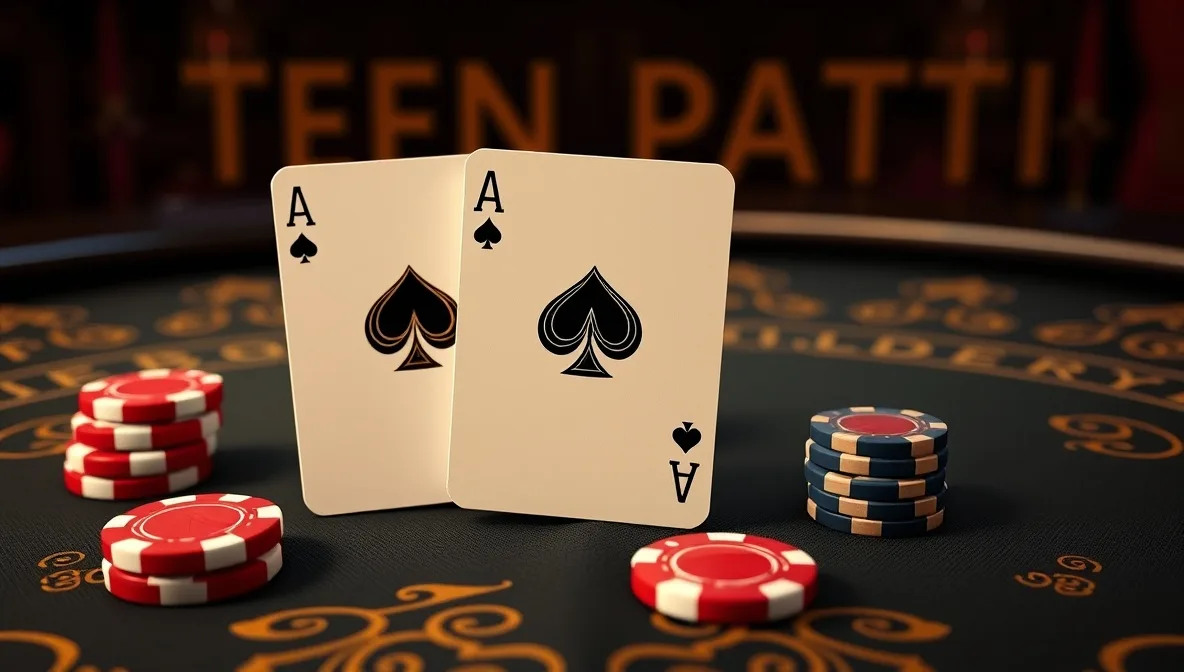
What Is Teen Patti?
Teen Patti is a three-card gambling game popular across India and South Asia. Each player receives three cards, and the goal is to have the strongest hand at showdown or to convince all other players to fold before the cards are revealed.
It is sometimes called Indian Poker because it uses hand-ranking concepts similar to poker, but with only three cards and a different ranking order. The game moves quickly because each round involves a small number of cards and straightforward betting decisions.
How a Teen Patti Round Works
A Teen Patti round follows a simple sequence: each player receives three cards, betting moves around the table, and the round ends when one player remains or when remaining players compare hands.
Cards are dealt
Each player receives three cards. Before betting begins, many tables require each player to put a small forced contribution into the pot, often called the boot or ante. This initial contribution seeds the pot, and the exact amount varies between tables.
Betting begins
After the cards are dealt, players take turns to place bets. The two starting modes are blind and seen. A blind bet is placed without looking at your cards. A seen bet is placed after you have viewed your hand. These actions determine the pace and strategy of the round.
Continue, raise, or fold
On your turn, you can match the current bet, raise it, or fold. Raising increases the amount other players must match to stay in the round. Folding removes you from the round and forfeits any claim to the pot.
Showdown
The round ends when all other players have folded, leaving one remaining player who wins automatically. If two or more players stay until the end, a showdown occurs where remaining hands are compared. The winner takes the entire pot, which is made up of all bets placed during that hand.
Teen Patti Card Values
Teen Patti is played with a standard 52-card deck. Most tables use the deck without jokers, but some variants include them as wild cards. Each hand contains exactly three cards, and certain combinations are stronger than others.
Card values
Cards rank from high to low as Ace, King, Queen, Jack, 10, 9, 8, 7, 6, 5, 4, 3, 2. In many Teen Patti variants, the Ace can also serve as the lowest card in a sequence such as A-2-3, while remaining the highest card in other combinations. Confirm the local table rules to see how Aces are treated.
Suits
There are four suits: spades, hearts, diamonds, and clubs. Suits do not determine hand strength except when comparing two hands of the same type, such as two colors or two pairs. In those cases, suit ranking may apply depending on the table.
Jokers
When jokers are included, they act as wild cards that can substitute for any other card to complete a hand. Tables that use jokers usually state this clearly, so confirm whether they are in play before assuming standard rankings apply.
Teen Patti Hand Rankings
Teen Patti hands are ranked from highest to lowest. The exact order is consistent across most variants, though some tables adjust specific categories.
Trail or Set
Three cards of the same rank, such as A-A-A or 7-7-7. This is the highest-ranking hand in most Teen Patti variants.
Pure Sequence
Three consecutive cards of the same suit, such as 4-5-6 of hearts. A pure sequence ranks below a trail or set but above all other sequences.
Sequence
Three consecutive cards of mixed suits, such as 9-10-J with different suits. A sequence is weaker than a pure sequence because the suits do not match.
Color
Three cards of the same suit that are not in sequence, such as 2-5-9 of spades. Color is weaker than any sequence but stronger than a pair.
Pair
Two cards of the same rank, such as K-K-4. If two players have the same pair, the third card acts as the tiebreaker. Higher pairs beat lower pairs.
High Card
Three cards that do not form any of the above combinations. The highest card determines the winner. If two players have the same high card, the next highest card is compared, and so on.
Common Teen Patti Bets and Actions
Teen Patti has its own betting vocabulary. These are the actions you will encounter at most tables.
Blind
A blind bet is placed before looking at your three cards. Blind bets are usually smaller than seen bets, which makes them a lower-commitment way to stay in the round. Some tables require players to remain blind for a minimum number of rounds before they can switch to seen, while others allow the switch at any time.
Seen
A seen bet is placed after you have viewed your cards. Because you know your hand strength, seen bets are typically larger than blind bets. Players who switch to seen early can make more informed decisions, but they also face higher minimum bets.
Chaal
Chaal is the standard bet a player makes to stay in the round. It must be at least equal to the previous bet. Many tables cap chaal at a multiple of the current bet, often twice that amount. The exact limit depends on the table rules.
Fold (Pack)
Folding, also called pack, means leaving the current round. You lose any bets already placed, but you avoid further losses in that round. Players fold when they believe their hand is too weak to win or when the pot has grown too large to justify staying in.
Show
A show request asks another player to reveal their cards so the hands can be compared immediately. If the requester has the stronger hand, the other player folds; if not, the requester folds. Some tables allow shows at any time, while others restrict them to certain betting rounds or require both players to agree.
Sideshow
A sideshow request lets a player compare hands with the last bettor. If the opponent agrees, both players reveal their cards, and the weaker hand must fold. If the opponent declines, the requesting player continues alone. Sideshow rules vary, so confirm whether it is allowed and under what conditions.
Teen Patti Variants
Teen Patti has several common variants that change how the game is played. The exact rules depend on the table you join, so reviewing the variant rules before playing is important.
Joker
Joker Teen Patti introduces wild cards that can substitute for any other card to complete a hand. This changes the hand rankings because wild cards make trails, sequences, and colors easier to form. The presence of jokers also affects how you should value your hand during betting.
AK47
In AK47, the Ace, King, 4, and 7 are treated as wild cards in addition to any designated jokers. This variant significantly increases the number of strong hands and changes the ranking dynamics, making it distinct from standard Teen Patti.
Muflis
Muflis, or lowball Teen Patti, reverses the hand rankings so that the weakest hand wins instead of the strongest. A high card becomes the best hand, while a trail or set becomes the worst. This completely changes the betting strategy and hand evaluation.
How to Play Teen Patti on Spin Crush
Teen Patti is part of the Casino Games collection on Spin Crush. Once you open the game, take a moment to review the table layout and any on-screen rules before placing your first bet.
Open Teen Patti
Go to the Casino Games section on Spin Crush and select Teen Patti. The table will show three-card hands and the standard Teen Patti layout.
Check the table rules
Before your first round, review any rules or info displayed on the table. Key details include the hand rankings used, whether jokers are in play, whether sideshow is enabled, and any blind or seen limits. This information is usually available from the table view or a help option.
Join the round
Decide whether to enter blind or seen. A blind entry lets you start with a smaller stake before looking at your cards. A seen entry means you review your hand first and then place your bet, which usually requires a larger stake. Choose your amount and confirm before the betting phase closes.
Play your hand
On your turn, choose to match the current bet, raise, or fold. Most tables let you switch from blind to seen during the round if you prefer. Keep an eye on the pot size and your hand strength before adding more chips.
See the result
The round closes when only one player remains after everyone else folds, or when the remaining players compare hands in a showdown. Digital tables show the result clearly and award the pot automatically.
Understanding Teen Patti Odds and Risk
Teen Patti odds depend on your hand strength, the number of players at the table, and how aggressively everyone is betting. Since the pot accumulates with each bet, managing risk is just as important as the cards you hold.
Hand strength and winning probability
Not every Teen Patti hand appears with the same frequency. A high card is far more common than a trail or set. A pure sequence and a color can look close at a glance, but the pure sequence wins the comparison. Understanding the rankings helps you judge whether your hand is worth continuing with.
Pot odds and betting pressure
Since the pot includes every bet placed during the round, it can balloon quickly when players raise back and forth. Staying in with a weak hand just because the pot has grown large is usually a losing move. Ask yourself whether the pot size justifies the extra bet needed to reach the showdown.
Independence of rounds
Every Teen Patti round is independent. The deck is shuffled and dealt fresh each time, so earlier hands have no influence on the next outcome. Streaks of strong or weak hands do not mean the opposite is due next.
No guaranteed prediction
No betting system, pattern, or strategy can guarantee consistent wins in Teen Patti. Each round is random, so past results cannot predict future ones. The safest approach is to know the hand rankings, pick stakes that match your comfort level, and treat each round as its own event.
Things to Know Before Playing Teen Patti
A few checks before you start make the first rounds clearer and help avoid simple mistakes.
Distinguish pure sequence from color
One of the most common beginner mistakes is confusing a pure sequence with a color. Both involve suited cards, but a pure sequence requires consecutive ranks. If you hold three suited cards that are not consecutive, you have a color, not a pure sequence, and it loses to any sequence or pure sequence.
Confirm table rules
Tables can differ on whether jokers are included, whether sideshow and show are allowed, how ties are resolved, and whether you must remain blind for a minimum number of rounds. Reading the table rules before you play prevents surprises.
Know the betting limits
Tables display minimum and maximum betting limits. Choose stakes that fit your planned session budget before the first round. Once the betting phase closes, changing your wager is not allowed for that round.
Responsible Gaming
Teen Patti is a form of entertainment, not a way to make money. Keep these points in mind:
Set a spending limit
Decide on a budget you are comfortable losing before the first round. Treat every stake as the cost of entertainment, not as an investment expected to grow.
Do not chase losses
Raising your bet after a losing round usually accelerates losses rather than recovering them. Each round is independent, so larger bets do not make a win more likely.
Take breaks
Long sessions can blur judgment and make it harder to track how much time and money has been spent. Taking short breaks keeps the experience enjoyable and helps you stay aware of your limits.
Stop if it is no longer enjoyable or controlled
If playing stops being fun, or if you feel pressured to continue, take a break or end your session. Gaming should remain a form of entertainment, not a source of stress or obligation.
Play where legally permitted
Ensure that your participation complies with the laws and age restrictions in your jurisdiction. Age requirements and local regulations vary, and it is your responsibility to confirm that you are allowed to play.
Teen Patti FAQs
What is Teen Patti?
A three-card gambling game popular in India and South Asia. Each player receives three cards and competes to have the strongest hand or to force others to fold.
How does a Teen Patti round work?
Each round starts with three cards dealt to every player. Betting moves around the table as players choose to stay in, raise, or fold. The round ends when one player remains or when the remaining players compare hands in a showdown.
What do blind and seen mean?
A blind bet is placed without looking at your cards. A seen bet is placed after you have viewed your hand. Blind bets are usually smaller than seen bets, and some tables require a minimum number of blind rounds before allowing a switch.
What is chaal?
Chaal is the standard bet a player makes to stay in the round. It must be at least equal to the previous bet and cannot exceed a set limit, often twice the current bet amount.
What is a show?
A show request asks another player to reveal their cards for an immediate comparison. If the requester has the stronger hand, the other player folds; if not, the requester folds. Availability and rules vary by table.
What does pack mean?
Pack is the common term for folding. It means leaving the current round and giving up any claim to the pot. Bets already placed are lost, but further losses in that round are avoided.
What is sideshow?
A sideshow request lets a player compare hands with the last bettor. If the opponent agrees, the weaker hand must fold. If the opponent declines, the requesting player continues alone. Rules vary by table.
What are the Teen Patti hand rankings?
From highest to lowest: trail or set, pure sequence, sequence, color, pair, and high card. Some tables adjust specific categories, so confirm the local ranking order before playing.
How are tied hands resolved?
For pairs, the third card acts as the tiebreaker; higher pairs beat lower pairs. For high card, the highest card is compared first, then the next highest if needed. Some tables use suit rankings or split the pot for certain ties.
Can Teen Patti outcomes be predicted?
No. Teen Patti cards are shuffled and dealt randomly each round. No pattern, strategy, or prediction system can guarantee consistent wins.
What should I check before playing?
Learn the hand rankings, confirm whether sideshow and show are allowed, check the betting limits, know when you can switch from blind to seen, and set a spending limit before you start.