


Dragon Tiger on Spin Crush
Dragon Tiger is one of the simplest card games available on Spin Crush. Two cards are dealt — one to Dragon and one to Tiger — and the higher card wins. Because there are no complex decisions during the dealing phase, it is easy for beginners to follow. The sections below explain the rules, card values, betting options, and what to expect from each round.
What Is Dragon Tiger?
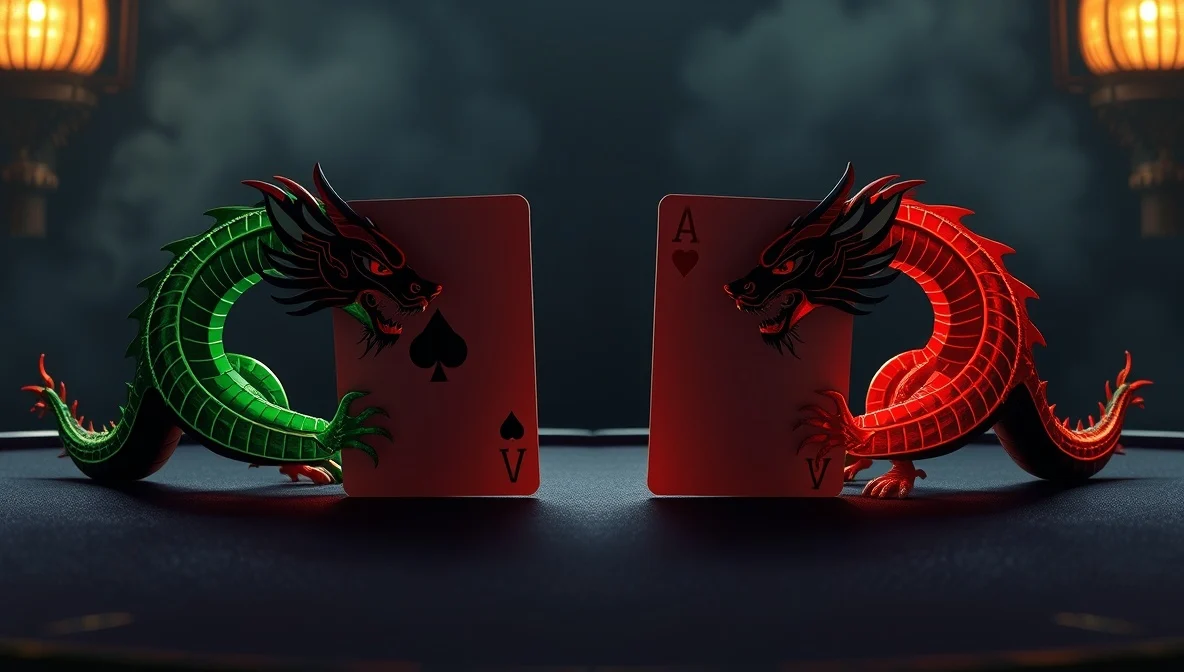
Dragon Tiger is a comparing card game played between two sides: Dragon and Tiger. Each round deals exactly one card to each side from a standard deck. The goal is straightforward — predict which side will receive the higher card. Because the comparison happens immediately after the deal, rounds are fast and easy to follow.
The game requires no hand-building or complex strategy from the player. Once bets are placed, the cards are revealed and the higher card determines the winner. This simplicity makes Dragon Tiger popular with players who prefer quick, clear outcomes over longer decision-making rounds.
How a Dragon Tiger Round Works
Each round follows a fixed sequence: place bets, deal the cards, compare the results, and settle the wagers.
Place bets
Before any cards are dealt, players choose where to place their wagers. The three main options are Dragon, Tiger, and Tie. Some tables may offer additional side bets, but the core decision is always which side will finish with the higher card. Once betting closes, no further changes are allowed for that round.
Cards are dealt
The game deals one card face up to the Dragon side and one card face up to the Tiger side. In most versions, the Dragon card is dealt first, but the exact dealing order is a presentation detail and does not affect the comparison. Both cards are visible immediately.
Cards are compared
The two revealed cards are compared by rank. The side with the higher card wins. For example, if Dragon receives a 10 and Tiger receives a 7, Dragon wins. If Tiger receives a King and Dragon receives a 4, Tiger wins. Suits are not used to determine the winner in a normal round.
Outcome is determined and bets settle
If one card is higher, that side wins and the corresponding bets are paid according to the table rules. If both cards have the same rank, the round is a tie, and Tie bets are settled according to the specific rules for that table. Losing bets are collected, and the table resets for the next round.
Card Values in Dragon Tiger
The game uses a simple ranking system that is easy to learn before the first round.
Number cards
Cards from 2 through 10 count at their face value. A 5 is worth 5, an 8 is worth 8, and so on. There is no special rule for these cards, which makes them the easiest to evaluate during a round.
Face cards
Jack counts as 11, Queen as 12, and King as 13. These are the highest-ranking cards in the deck. A King beats every card except another King, which would create a tie.
The Ace
Ace counts as 1, making it the lowest-ranking card in Dragon Tiger. An Ace loses to every card from 2 upward. This is different from some other card games where the Ace can be high or flexible, so it is worth remembering that Ace is always low in Dragon Tiger.
Suits
Suits — hearts, diamonds, clubs, and spades — do not determine the normal winner. If two cards of the same rank appear, the round is simply a tie. Some tables may have specific tie-breaking rules, but suits are not part of the standard comparison.
Tie / Draw
A tie occurs when both the Dragon and Tiger cards have the same rank. This is one of the less frequent outcomes, but it is an important part of the game's structure.
What causes a tie
A tie is simply the result of both cards sharing the same rank. Each standard deck has four cards of each rank, while Dragon Tiger tables may use multiple decks. Because of this, ties are possible whenever the dealing produces two cards of equal value. The exact frequency depends on how many decks are in use and how the cards are shuffled.
How ties are handled
The treatment of a tie depends on the specific rules and payout table for the game being played. Some tables may return a portion of the wager, while others follow a different resolution. Because tie rules vary, the displayed rules for that specific table are the only reliable source of information.
Why tie rules matter
Ties affect the risk profile of Dragon and Tiger bets. If ties result in a push or partial return, the effective house edge and expected outcome shift compared to a rule set where ties cause both Dragon and Tiger bets to lose. Always check how the table defines a tie before assuming any particular result.
Dragon Tiger Betting Options
The table offers a small set of core bets. Understanding each one before the cards are dealt helps you follow the round clearly.
Dragon
A Dragon bet wins if the Dragon card is higher than the Tiger card. If the Tiger card is higher or if the round is a tie, the Dragon bet loses according to the table rules. This is one of the two primary bets on every Dragon Tiger table.
Tiger
A Tiger bet wins if the Tiger card is higher than the Dragon card. If the Dragon card is higher or if the round is a tie, the Tiger bet loses according to the table rules. Like the Dragon bet, this is available on every standard table.
Tie
A Tie bet wins only if both cards have the same rank. Because ties are less common than straightforward Dragon or Tiger wins, the Tie bet usually offers a higher payout, but it also carries more risk. The exact payout and the treatment of Dragon and Tiger bets during a tie depend on the table rules.
Side bets
Some Dragon Tiger tables offer side bets on specific outcomes, such as the suit of the winning card or whether a specific rank appears. These bets are not universal, and their rules and payouts differ between versions. Only place side bets if you understand how they work on that specific table.
Dragon Tiger Odds and Risk
Like most comparing card games, Dragon Tiger is a game of chance. Understanding a few key concepts helps set realistic expectations before placing a bet.
Uncertainty in every round
Each Dragon Tiger round is determined by the cards dealt at that moment. There is no way to know in advance which side will receive the higher card, and no amount of observation changes the odds for the next round. Treating every round as an independent event is the most accurate way to think about the game.
Independence of rounds
Previous results do not influence the next round. The deck or shoe is prepared separately for each round, and the cards are shuffled according to the game's rules. Streaks of Dragon or Tiger wins do not create any mathematical obligation for the opposite side to win next.
Tie frequency and risk
Ties are generally less frequent than Dragon or Tiger outcomes. Because ties happen less often, betting on Tie usually involves more risk per round. The exact probability of a tie depends on the number of decks and the shuffling method used by the specific game.
House edge and table rules
The house edge in Dragon Tiger depends on the exact rules and payout structure of the table. Different tables may handle ties differently, which changes the expected return for Dragon and Tiger bets. Because the game does not use a universal payout table, comparing the displayed rules between available tables is one of the most practical steps you can take.
How to Play Dragon Tiger on Spin Crush
Dragon Tiger is available in the Casino Games collection on Spin Crush. Once you open the game, take a moment to review the table layout and any on-screen rules before placing your first bet.
Find the game
Navigate to the Casino Games section on Spin Crush and look for Dragon Tiger among the available table games. The table will show the Dragon and Tiger betting areas along with any Tie option.
Review the displayed rules
Before your first round, check any game information or rules shown on the table. Key details include how ties are handled, the minimum and maximum betting limits if displayed, and any notes about side bets. This information is usually accessible from the table view or a help option.
Place your bet
Choose whether to bet on Dragon, Tiger, or Tie. Select your stake and confirm the placement before the dealing begins. Once the cards are dealt, you cannot change your bet for that round.
Watch the deal
The game deals one card to Dragon and one to Tiger. Both cards are visible immediately, and the higher card determines the winner. If the cards match in rank, the round is a tie. The game settles all bets automatically and updates the balance.
Start the next round
After the result is shown, the table resets for the next round. You can adjust your bets before the next dealing phase opens. The process repeats from the beginning, with fresh cards dealt each time.
Responsible Gaming
Dragon Tiger is a form of entertainment, not a way to make money. Keep these points in mind:
Set a spending limit
Choose a budget you are comfortable losing before you begin. Treat each stake as the cost of entertainment rather than an investment that will return a profit.
Do not chase losses
Increasing your bet size after a losing round is one of the fastest ways to reduce your balance quickly. Each round is independent, and larger bets do not make a win more likely.
Take breaks
Long sessions can blur judgment and make it harder to keep track of how much time and money has been spent. Taking short breaks keeps the experience enjoyable and helps you stay aware of your limits.
Stop if it is no longer enjoyable or controlled
If playing stops being fun, or if you feel pressured to continue, take a break or end your session. Gaming should remain a form of entertainment, not a source of stress or obligation.
Play where legally permitted
Make sure your participation complies with the laws and age restrictions in your jurisdiction. Age requirements and local regulations vary, and it is your responsibility to confirm that you are allowed to play.
Dragon Tiger FAQs
What is Dragon Tiger?
Dragon Tiger is a fast comparing card game. One card is dealt to Dragon and one to Tiger, and the higher card wins the round.
How does Dragon Tiger determine the winner?
The game compares the two dealt cards. The higher-ranked card wins for its side. If both cards have the same rank, the round is a tie, and the outcome follows the table's tie rules.
What are the card values in Dragon Tiger?
Ace counts as 1, cards 2 through 10 count at face value, Jack counts as 11, Queen as 12, and King as 13. Suits do not normally affect which side wins.
What happens when Dragon and Tiger have the same card value?
When both sides receive cards of the same rank, the round is a tie. The exact payout or return for a Tie bet depends on the specific table rules.
What can you bet on in Dragon Tiger?
The main bets are Dragon, Tiger, and Tie. Some tables may offer additional side bets, but their rules and payouts vary, so check the table before placing them.
Does the previous round affect the next round?
No. Each Dragon Tiger round is independent. The cards are dealt fresh every round, and past results do not influence the next outcome.
Is Dragon Tiger based on skill or chance?
Dragon Tiger is a game of chance. Each round is determined by the cards dealt, and no strategy can predict or control the outcome.
What should I check before placing a Dragon Tiger bet?
Check the table's displayed rules, confirm which bets are available, note any shown stake limits, and make sure you understand how ties are handled before confirming.
Are Dragon Tiger payouts the same at every table?
No. Payouts for Dragon, Tiger, and Tie bets can vary between tables. Always review the displayed paytable for the specific game to know what a winning bet returns.
How can I play responsibly?
Play within your means: set a spending limit beforehand, don't increase bets to chase losses, take breaks during longer sessions, and stop if playing stops being enjoyable or controlled.